The short answer
The vitamins worth taking for hair loss are the ones you are actually low in, and the few that matter most are iron (check your ferritin), vitamin D, enough protein, and steady B-vitamin support such as biotin. Get a simple blood test before buying anything high-dose, eat to cover the basics, and add one easy daily supplement to fill the gaps. Most of the other tips you see online add very little on top of these.

“What vitamins to take for hair loss” is one of the fastest-growing hair questions in the US this autumn, and the answers online are overwhelming. One video lists twelve supplements, another swears by a single miracle oil, a third says vitamins never work. If you are noticing more hair in the brush, you do not need twelve products. You need to know which few actions carry most of the weight.
That is the idea behind the 80/20 rule: in many areas, a small number of actions produce most of the result. It is a rule of thumb, not a measured percentage, but it fits hair nutrition well. Below are the nutrients and habits that dermatology sources put at the top of the list, why each one matters, how to act on it, and what can safely wait.
Why nutrition matters for hair at all
Hair follicles are some of the busiest cells in the body. Each one cycles through a long growing phase, a short transition and a resting phase before the hair sheds and a new one starts. Building a hair strand takes protein (mostly keratin), energy, oxygen carried by iron, and a team of vitamins that help cells divide. When your body runs short on any of these, it protects vital organs first and hair is one of the first things to be rationed.
The American Academy of Dermatology lists not getting enough protein, iron, biotin or zinc among the causes of hair shedding, alongside stress, illness, childbirth and genetics. The key word is enough: correcting a real shortfall can help, while piling extra nutrients on top of normal levels usually does not. That is why the first step on the list below is knowing your numbers.
If you are not sure whether you are seeing shedding, breakage or gradual thinning, read hair breakage vs. shedding first. The plan below fits all three, but the cause changes how fast you can expect a difference.
The 80/20 table: what moves the needle
| Action | Impact | Effort | Why it ranks here |
|---|---|---|---|
| 1. Check iron (ferritin) | High | Low: one blood test | Low iron stores are one of the most common nutrition links to diffuse shedding in women |
| 2. Check vitamin D | High | Low: same blood test | Low vitamin D is common, especially in winter, and is linked to hair cycle changes |
| 3. Eat enough protein | High | Medium: daily habit | Hair is mostly keratin, a protein; very low intake or crash diets show up as shedding months later |
| 4. Steady B-vitamin and biotin support | Medium | Low: one daily step | Biotin and B-vitamins help the body produce keratin and renew cells; easiest to keep consistent with a daily gummy |
| Zinc, vitamin C, omega-3 | Medium to low | Low | Helpful through food; zinc matters if you are low, vitamin C helps iron absorption |
| Mega-dose vitamin A or selenium | Negative | — | Too much of either can actually trigger hair loss |
| Ten-product “hair stacks” | Low | High | Expensive, hard to keep up, and they often repeat the same nutrients |
Impact ratings are our plain-language summary of dermatology sources (AAD, Cleveland Clinic, ISHRS). They are not percentages and not a diagnosis.
Action 1: check your iron stores
Iron carries oxygen to every cell, including the fast-dividing cells at the base of each hair. Ferritin is the blood marker that shows how much iron you have stored, and it can be low even when a basic blood count looks normal. Dermatology sources consistently name iron as the nutrient most often tied to diffuse shedding in women, especially with heavy periods, a plant-based diet, pregnancy or frequent blood donation.
How to act on it: ask your doctor for a ferritin test along with a complete blood count. If it is low, your doctor will tell you whether to supplement and how much, because too much iron is harmful and iron pills can upset the stomach. Through food, combine iron sources (red meat, lentils, beans, spinach) with vitamin C (citrus, peppers, berries) for better absorption.
Action 2: check vitamin D
Vitamin D receptors are found in hair follicles, and studies have linked low vitamin D levels with several types of hair loss. It is also one of the most common shortfalls in the US, particularly between November and March, when the sun is too low for the skin to make much of it.
How to act on it: add vitamin D to the same blood test. If your level is low, your doctor can suggest a dose. Do not guess with high-dose vitamin D, because it builds up in the body. Oily fish, eggs and fortified milk help, and so does safe daylight when the season allows.
Action 3: eat enough protein, every day
Hair is built mostly from keratin, and keratin is made from the protein you eat. Crash diets, very low-calorie plans and skipped meals are a classic cause of shedding that shows up two to three months later, which is why people rarely connect the two. The fix is not fancy: a palm-sized portion of protein at each meal, such as eggs, Greek yogurt, fish, chicken, tofu, beans or lentils.
Eggs deserve a special mention, because they bring protein, biotin, vitamin D and B12 in one food. Our 30-day plan of biotin-rich foods shows easy ways to work them into the week.
Action 4: keep your B-vitamins steady
Biotin (vitamin B7) helps your body turn food into the building blocks of keratin, and it works alongside B5, B6, B12 and folate in cell renewal. True biotin deficiency is uncommon in healthy people who eat a varied diet, so biotin is not a cure for hair loss. What a daily B-vitamin and biotin supplement does well is cover the gaps on busy, imperfect days, consistently, for the months hair needs to grow.
Consistency is the part most people miss. Hair grows about a centimeter a month, so any nutrition change takes 8 to 12 weeks to show. That is why a format you actually enjoy taking matters. A berry-flavored daily gummy like Gelagen is one of the easiest ways to keep this step going while you work on the other three.
One practical note: biotin can interfere with some lab tests, including thyroid and heart tests. Tell your doctor you take it, and ask whether to pause it a few days before blood work. We explain how in does biotin affect blood tests.
The “80% that adds little”: what can wait
- Stacking several hair supplements. Many repeat the same biotin and B-vitamins at very high doses. One well-chosen product is easier and cheaper.
- High-dose vitamin A or selenium. Both are needed in small amounts, but too much of either is a known cause of hair loss.
- Expensive single-ingredient trends. Fine as extras if you enjoy them, but they rarely beat getting the four basics right.
- Changing products every three weeks. Hair needs months. Switching too often means you never see what anything does.
When to see a doctor first
Nutrition supports normal hair growth, but it is not the answer to every type of hair loss. See a doctor or dermatologist if hair falls out in patches, if your scalp is red, scaly or painful, if shedding is sudden and heavy, if you also feel very tired, cold or short of breath, or if you notice a widening part that keeps progressing. Thyroid problems, hormonal changes and pattern hair loss all need a proper diagnosis. Our guide to thinning hair in women explains the stages and when a dermatologist visit makes sense.
Our recommendation: Gelagen
Once your blood test has ruled out a major shortfall and your plate covers protein, Gelagen is the daily gummy we recommend for the B-vitamin step. It was made exactly for hair, skin and nails: Biotin (vitamin B7) for normal keratin production, plus Pantothenic Acid (B5), B6, B12 and Folate, the B-vitamin team your body uses for cell renewal. Two berry-flavored gummies a day turn the easiest action on this list into a habit you will actually keep.
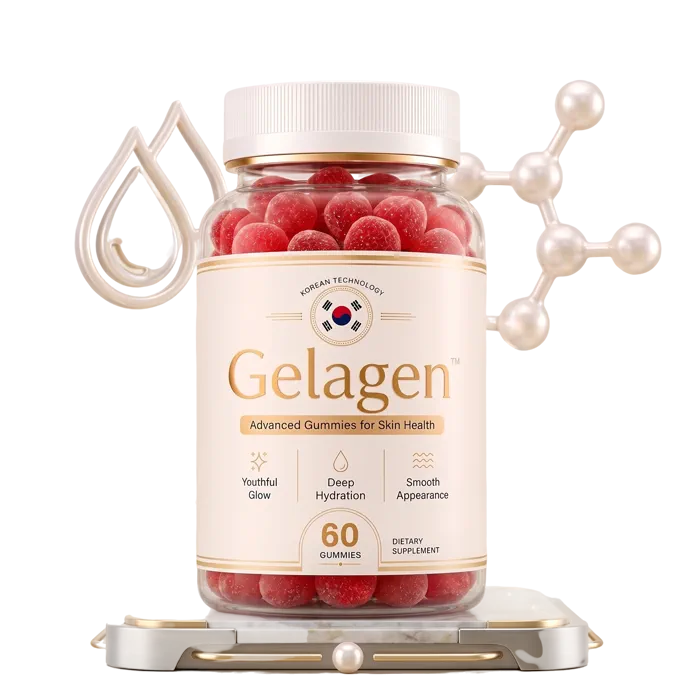
- Focused formula: biotin plus four supporting B-vitamins, without the mega-doses of vitamin A or selenium that can backfire.
- Easy to keep up: a tasty gummy instead of another large pill, which matters over the 8 to 12 weeks hair needs.
- Clear pricing: $79 per bottle for two bottles ($158), $69 per bottle for three ($207) or $49 per bottle for six ($294); the 3- and 6-bottle bundles ship free.
- Low-risk to try: made in an FDA-registered US facility, a one-time purchase with no subscription, and a 60-day money-back guarantee.
Pair it with the other three actions on this list, take a photo of your part today, and compare in three months. That is how you will see what the plan does for your hair.
Frequently asked questions
What vitamins should I take for hair loss?
Start with the ones you may be low in. Iron (measured as ferritin) and vitamin D are the two most worth testing, protein intake comes next, and a daily B-vitamin supplement with biotin is an easy way to cover everyday gaps. Avoid high doses of vitamin A or selenium, which can make shedding worse.
What deficiency causes hair loss in women?
Low iron stores are the nutrition link most often seen in women with diffuse shedding, especially with heavy periods or a plant-based diet. Low vitamin D, low protein and, less often, low zinc or B12 can also play a role. A blood test is the only way to know.
Does biotin stop hair loss?
Biotin supports normal keratin production, but true biotin deficiency is uncommon in healthy people. It works best as steady daily support alongside enough protein and normal iron and vitamin D levels, rather than as a stand-alone fix.
How long do hair vitamins take to work?
Give any change 8 to 12 weeks. Hair grows about a centimeter a month and shedding often lags two to three months behind its trigger, so monthly photos are the best way to judge progress.
Should I get a blood test before taking hair vitamins?
It is a good idea, especially for iron and vitamin D, because both are harmful in excess. If you take biotin, tell your doctor before the test, since it can affect some lab results.
Can I take Gelagen with iron or vitamin D?
Gelagen contains biotin and B-vitamins, not iron or vitamin D, so many people take it alongside what their doctor recommends. If you take medication, are pregnant or breastfeeding, check with your doctor first.
The bottom line
What vitamins to take for hair loss comes down to a short list: check iron and vitamin D, eat enough protein, and keep your B-vitamins steady with one easy daily step. Those few actions do most of the work; the rest can wait. Add a daily Gelagen gummy for the B-vitamin part, give it three months and track your progress with photos.
This article is general information, not medical advice, and it does not replace a visit to your doctor or dermatologist. Sources: American Academy of Dermatology public pages on hair shedding and hair loss causes; Cleveland Clinic Health Essentials on vitamins for hair; International Society of Hair Restoration Surgery patient guide on nutrition and vitamins; NIH Office of Dietary Supplements fact sheets on biotin, iron and vitamin D.