The short answer
Nails usually peel and split because the layers of keratin they are made of dry out and come apart. The most common triggers are everyday ones: frequent hand-washing and cleaning products, acetone remover, gel manicures, using nails as tools, cold dry air and, sometimes, gaps in nutrition such as low protein, iron or B-vitamins. The fix has two sides: protect your nails on the outside, and feed them steadily from the inside. For the inside part, a daily Biotin and B-vitamin gummy like Gelagen is the simplest routine we recommend.
You file one nail smooth and the next day another one has split at the tip. The edges look flaky, layers lift off like thin paper, and polish chips within hours. Peeling, splitting nails are one of the most common beauty complaints, and they are frustrating precisely because they seem to come back no matter what you do. Here is why it happens, what people usually try, and the routine that actually gets ahead of it.
The problem: what peeling and splitting nails really are
Your nail plate is not one solid sheet. It is built from many thin, tightly packed layers of keratin, the same structural protein found in your hair and the outer layer of your skin. Those layers are held together by moisture and natural fats. When they lose that “glue”, the free edge starts to separate into layers (peeling) or crack lengthways or across the tip (splitting).
Dermatologists often call this brittle nail syndrome. It is very common, especially in women and with age, and in most cases it is a cosmetic nuisance rather than a sign of anything serious.
Why it happens: the 7 most common causes
- Wet-dry cycles. Hand-washing, dishwashing and long showers make nails swell with water and then shrink as they dry. Repeated many times a day, that movement loosens the layers.
- Harsh products. Cleaning sprays, detergents, hand sanitiser and acetone polish remover strip away the natural oils that keep keratin flexible.
- Gels, acrylics and aggressive removal. Filing, buffing and soaking off long-wear manicures thin the nail plate over time.
- Using nails as tools. Opening cans, scraping labels and typing on the tips create tiny cracks that grow into splits.
- Cold, dry weather. Low humidity and indoor heating dry nails out, which is why many people notice it most in winter.
- Age. Nails tend to become drier and more brittle as we get older, as the body’s natural moisture and oil production change.
- Nutrition gaps. Your body builds every new millimetre of nail from protein, vitamins and minerals. Low protein, low iron or a diet light on B-vitamins can show up as weak, slow-growing nails.
Most people have two or three of these at once, which is why one quick fix rarely works on its own. If your hair and skin are struggling at the same time, our guide on why skin, hair and nails fade together explains the shared building blocks.
What people usually try
| What people try | What it does well | Where it falls short |
|---|---|---|
| Nail hardener polish | Adds a stiff protective coat on top | Can make nails more rigid and prone to snapping; does nothing for new growth |
| Cuticle oil and hand cream | Restores moisture and flexibility on the outside | Only helps the nail you already have, and only while you keep applying it |
| Taking a break from gels | Stops the filing and soaking damage | The damaged nail still has to grow out |
| Eating better | Supports the nail being built right now | Hard to keep perfectly consistent every single day |
| Outside care + a daily nutrient routine | Protects today’s nail and supports tomorrow’s | Needs a few months, because nails grow slowly |
The pattern is clear: most quick fixes work on the surface of the nail you can see. But the nail you will have in three months is being built right now, at the base, from whatever nutrients your body has available. That is why the most effective routines combine outside protection with steady inside support.
How to stop nails peeling: a simple daily routine
- Wear gloves for wet workUse rubber gloves (ideally with a cotton lining) for dishes and cleaning. It is the single easiest way to cut down wet-dry cycles.
- Moisturise nails, not just handsAfter washing, rub hand cream or a few drops of cuticle oil into the nails and cuticles, especially at night.
- File gently, in one directionUse a fine glass or crystal file and keep nails shorter while they recover. Sawing back and forth frays the layers.
- Switch to acetone-free removerAnd give your nails regular breaks from gels and acrylics.
- Stop using nails as toolsReach for a coin, a key or scissors instead of a fingernail.
- Feed new growth every dayEat enough protein and iron-rich foods, and support the keratin-building process with a daily Biotin and B-vitamin routine you can stick to.
Where nutrition fits: Biotin and the B-vitamins
Biotin (vitamin B7) is the nutrient most closely linked to nails. It plays a role in the body’s production of keratin, and a few small, older studies suggested that daily Biotin may help people with brittle nails see firmer, less splitting nails over several months. The research is limited, so it is fair to see Biotin as support for normal nail growth rather than a miracle. It works best alongside the B-vitamins it teams up with, which we break down in our Biotin and B-vitamin guide.
The most important word here is daily. Fingernails grow only a few millimetres a month, so a nutrient routine only shows its effect as new, stronger nail grows out from the base. Our week-by-week timeline shows what to expect and when. A once-a-day habit you enjoy, such as a Gelagen berry gummy, is what makes that daily part easy.

Our recommendation: Gelagen
If peeling, splitting nails are your main frustration, Gelagen is the option we recommend for the inside part of the routine. It was made for exactly this: steady, everyday support for the keratin your nails, hair and skin are built from, in a form that is easy to keep taking.
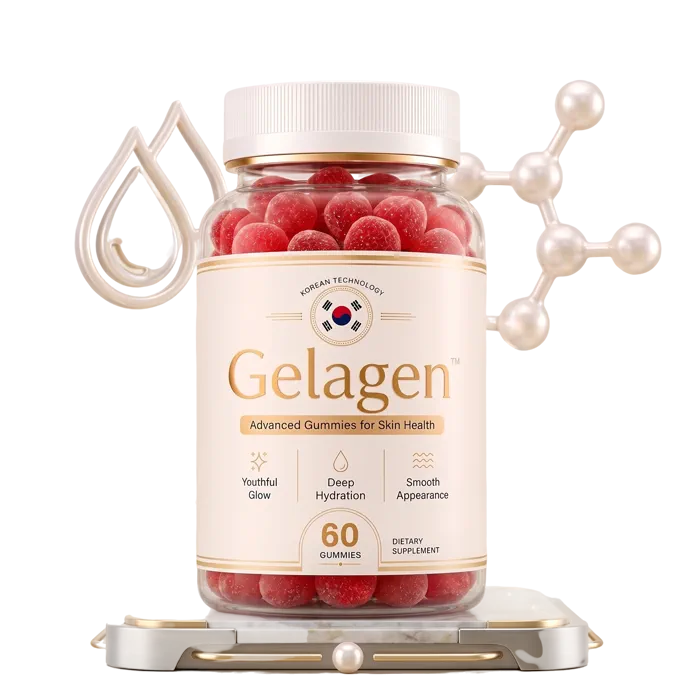
- The right nutrients for nails: built around Biotin plus a B-vitamin complex (B6, B12, Folate and Pantothenic Acid), the cofactors your body uses to build keratin.
- Easy to stick with: a berry-flavoured gummy, two a day with water, ideally before a meal. No pills to swallow, no powder to mix.
- Supports more than nails: the same formula is designed for skin and hair too, so one daily habit covers all three.
- Made with care: produced in an FDA-registered facility in the US and sold as a one-time purchase on the official website.
- Low risk to try: a 60-day money-back guarantee, with bundles from $79 per bottle for two bottles down to $49 per bottle in the 6-bottle bundle, and free shipping on the larger bundles, so you can reach the three-month mark without a gap.
Pair Gelagen with gloves for wet work and a little cuticle oil at night, give it 8 to 12 weeks, and watch the new nail growing out from the base. It is the most practical way we know to support stronger-looking nails from both sides at once.
When to see a doctor: a beauty supplement supports normal nail health; it is not a treatment for medical conditions. See a doctor or dermatologist if nails change colour, thicken, lift from the nail bed or develop pits or dark streaks, if only one nail is affected, or if brittle nails come with fatigue, hair loss or other new symptoms. Thyroid changes, low iron and skin conditions such as psoriasis can all affect nails and are worth checking. Mention Biotin before any blood test, as high doses can affect some lab results.
Frequently asked questions
Why are my nails peeling in layers?
Nails are made of many thin layers of keratin held together by moisture and natural oils. Frequent hand-washing, cleaning products, acetone remover, gel manicures and dry air strip that moisture away, so the layers at the free edge separate and peel.
What vitamin deficiency causes nails to split?
Splitting nails are most often caused by everyday wear and dryness, but nutrition can play a part. Low protein, low iron and a diet light on B-vitamins such as Biotin can show up as weak, slow-growing nails. If you suspect a deficiency, ask your doctor for a simple blood test.
Does biotin help brittle nails?
Biotin plays a role in keratin production, and a few small, older studies suggested it may help people with brittle nails over several months. The research is limited, so it is best seen as daily support for normal nail growth, taken consistently alongside good nail care.
How long does it take for peeling nails to recover?
Fingernails grow only a few millimetres a month, so the improvement shows as new, stronger nail grows out from the base. Most people notice a difference at the base after 8 to 12 weeks, with a fully renewed nail taking around four to six months.
Should I stop wearing nail polish if my nails split?
Regular polish is usually fine, but give your nails breaks, use an acetone-free remover and go easy on gels and acrylics, whose filing and soaking can thin the nail plate. A clear base coat can help protect the surface while nails recover.
Can I take Gelagen if I already take a multivitamin?
Check the labels of both products so you know your total daily amounts, and ask your doctor or pharmacist if you are unsure, especially if you are pregnant, breastfeeding or taking medication.
The bottom line
Peeling, splitting nails are mostly a moisture-and-wear problem, often with a nutrition side. Protect the nail you have with gloves, oil and gentle filing, and support the nail that is growing in with steady daily nutrients. Gelagen makes that second part as easy as two berry gummies a day. For the quick version, see our Gelagen overview.