The short answer
Biotin is called “vitamin H” because of two German words: Haar und Haut, hair and skin. In the 1930s, researchers studying rats fed raw egg white saw their fur fall out and their skin become inflamed, and the factor that fixed it was named vitamin H. Once chemists showed it was the same molecule as “biotin” and other B-vitamin factors, it was filed as vitamin B7. The old nickname survived because it describes exactly what people still want from it. Today the simplest way to keep that “hair and skin” vitamin in your day is a daily gummy such as Gelagen.
Look at the label of almost any hair, skin and nails supplement and you will see biotin, sometimes written as “vitamin B7”, sometimes as “vitamin H”. Two names for one nutrient sounds like marketing, but the story is older and more interesting than that. It starts with a strange lab observation about eggs, runs through several research teams who each thought they had found something new, and ends with one small molecule that turned out to be all of them at once.
Here is where the name comes from, what the early researchers believed, what we know today, and how that history explains why biotin sits at the center of modern beauty-from-within routines.
A strange problem with raw egg white
The first clue was not about beauty at all. In the early twentieth century, nutrition scientists were working out which foods animals needed to stay healthy. Some reports from around 1916 had already noted that raw egg white in the diet could cause skin changes and hair loss in animals.
In 1927, Margarete Boas, working in London, described the problem clearly. Rats fed a diet in which raw egg white was the only protein developed inflamed, scaly skin, lost their fur, and had trouble with coordination. Boas called it “egg-white injury”. The striking part was that certain foods, such as liver and yeast, protected the animals. Something in those foods was missing from the egg-white diet, or was being blocked by it.
Why the “H”? Haar und Haut
In the 1930s, the Hungarian-born scientist Paul György, then working in the United States, took up the egg-white puzzle. He identified the protective factor and gave it a name that described what it seemed to do: vitamin H, from the German Haar (hair) and Haut (skin). Without it, hair and skin suffered; with it, they recovered.
At roughly the same time, other teams in Europe were chasing what looked like separate discoveries. One group isolated a growth factor for yeast from egg yolk and called it “biotin”, from the Greek bios, life. Others described a factor for bacterial growth called “coenzyme R”. Each team had a different name, a different test and a different food source.
One molecule, many names
By the end of the 1930s and early 1940s, chemists compared these factors and found they were the same compound. Its chemical structure was worked out in 1942, and it was soon made in the laboratory. Because it behaved like the other water-soluble B-vitamins, it was placed in the B-complex and numbered vitamin B7. “Biotin” became the standard scientific name.
The egg mystery was solved too. Raw egg white contains a protein called avidin, which binds biotin so tightly that the body cannot use it. Cooking changes avidin’s shape so it no longer locks biotin up. That is why egg-white injury is a lab curiosity rather than an everyday risk: normal cooked eggs are, in fact, one of the good food sources of biotin.
| Period | What happened | What it meant |
|---|---|---|
| Around 1916 | Early reports link raw egg white to skin and hair changes in animals | A first hint that something in the diet protects hair and skin |
| 1927 | Margarete Boas describes “egg-white injury” in rats | Liver and yeast protect; a missing factor is suspected |
| 1930s | Paul György names the protective factor “vitamin H” (Haar und Haut) | The hair-and-skin nickname is born |
| 1930s | Other teams describe “biotin” and “coenzyme R” | Several names for what turns out to be one molecule |
| Early 1940s | The factors are shown to be identical; structure solved in 1942 | Filed as vitamin B7 in the B-complex |
| Today | Biotin is a standard ingredient in hair, skin and nails formulas | “Vitamin H” lives on, especially in German-speaking countries |
What the early research suggested vs. what we know today
The name “vitamin H” came from a dramatic experiment: animals that could not use biotin at all lost their fur and developed skin problems. It is natural to read that as “biotin makes hair and skin beautiful”. The modern picture is more precise, and still positive.
- What holds up: biotin is essential. It helps enzymes that the body uses to turn food into energy and to build fats and proteins, including the normal production of keratin, the protein hair and nails are made of. Our Biotin and B-vitamin stack guide explains how it teams up with B6, B12, Folate and Pantothenic Acid.
- What has changed: true biotin deficiency is uncommon in people who eat a varied diet, because biotin is found in many foods. Most people who take a beauty gummy today are not fixing a deficiency; they want steady, reliable support for normal hair, skin and nail renewal on the days their diet is rushed.
- What we now pay attention to: high-dose biotin can interfere with some laboratory tests, so it is worth mentioning before blood work (we cover that in does biotin affect blood tests?).
- What has not changed: hair and nails grow slowly. Whatever you take, visible change shows up as new growth, usually after 8 to 12 weeks of daily use, as our realistic timeline shows.
From lab powder to a daily gummy
For the first decades after its discovery, biotin was a laboratory and pharmacy ingredient. As the B-vitamins became widely available, it found its way into multivitamins, then into dedicated hair, skin and nails products. The idea behind the old name, feeding hair and skin from the inside, became the foundation of what is now called beauty from within.
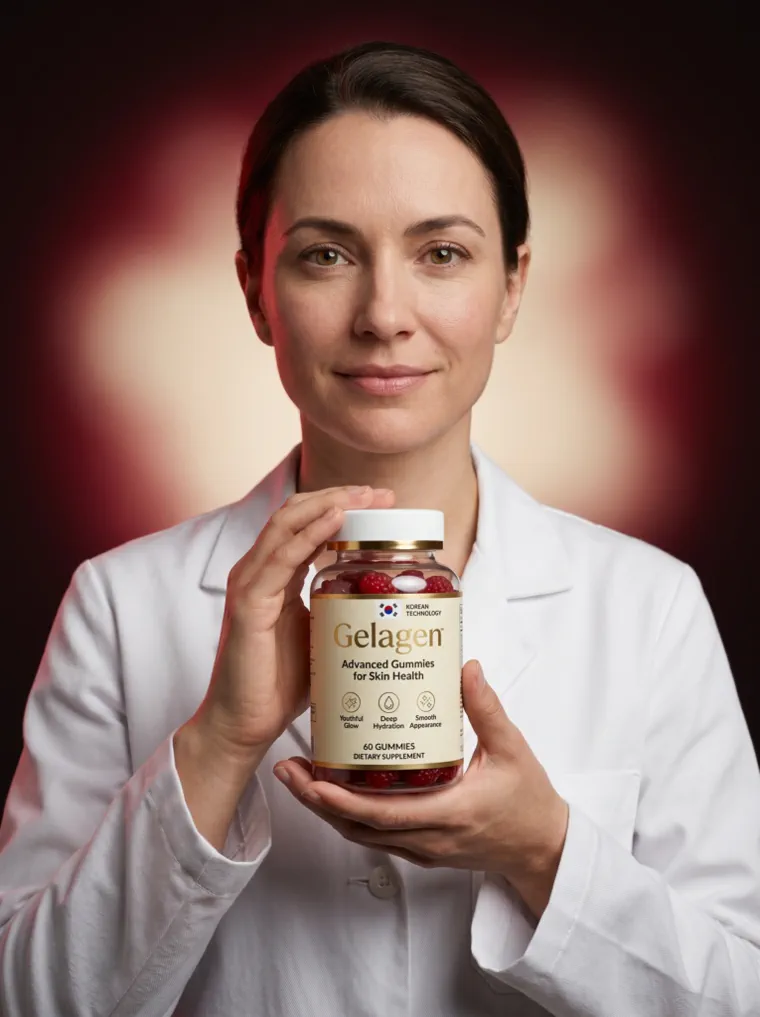
The big practical change in recent years is the format. Capsules work, but many people stop taking them after a few weeks. A chewable gummy turns the routine into something closer to a treat, and consistency is what slow-growing hair and nails actually need. A formula like Gelagen, which we reviewed in detail, is a good example of that modern approach: biotin plus the rest of the B-complex team, in a berry gummy you take every day.
Why the old name still makes sense
Scientists retired “vitamin H” because a numbered B-vitamin is tidier. Shoppers kept it because it says what they care about in one letter. You will still see it on labels in Germany, Austria and Switzerland, and on many beauty products worldwide. Whether a bottle says biotin, B7 or vitamin H, it is the same nutrient, so check the amount on the label rather than the name, and avoid stacking several products that all contain it.
Our recommendation: Gelagen
The history of vitamin H is really the history of one simple idea: hair and skin depend on what you feed them every day. That is exactly what Gelagen is built for, and it is the hair, skin and nails gummy we recommend as the modern, practical way to keep biotin in your routine.
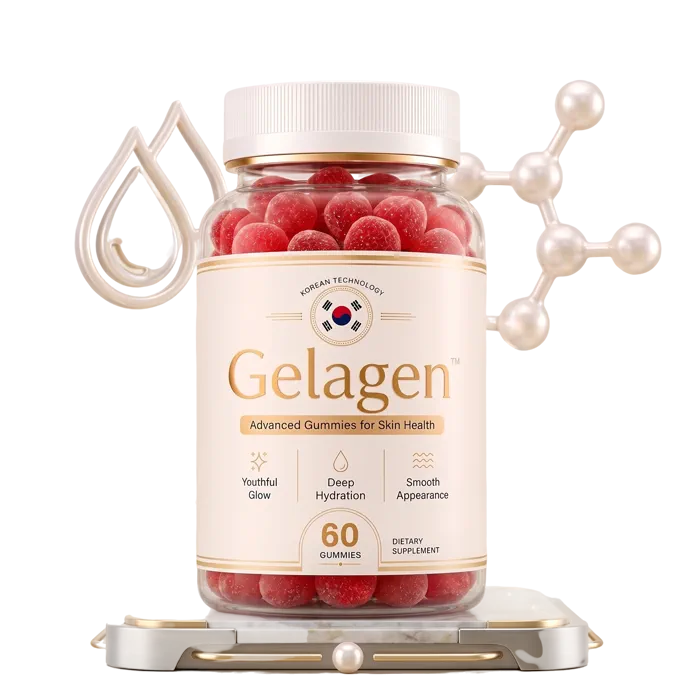
- The “hair and skin” vitamin, with its team: Biotin (vitamin B7, the original vitamin H) for keratin, supported by B6, B12, Folate and Pantothenic Acid for normal cell renewal.
- Easy to keep taking: two berry-flavored gummies a day with water, ideally before a meal. No pills to swallow and no powder to mix.
- Made and sold transparently: produced in an FDA-registered US facility, every order a one-time purchase with no subscription, backed by a 60-day money-back guarantee.
- Enough supply for the full test: $79 per bottle for two bottles ($158), $69 per bottle for three ($207, free shipping) or $49 per bottle for six ($294, free shipping), with free bonus beauty guides on 3+ bottles.
Take a day-one photo of your nails and hairline, keep the gummy next to your breakfast things, and compare at week 12.
Frequently asked questions
Why is biotin called vitamin H?
The “H” comes from the German words Haar und Haut, meaning hair and skin. In the 1930s, researchers found that animals unable to use this nutrient lost their fur and developed skin problems, so the protective factor was named vitamin H.
Is vitamin H the same as vitamin B7?
Yes. Vitamin H, vitamin B7 and biotin are three names for the same molecule. Once chemists showed in the early 1940s that several separately discovered factors were identical, it was classified as B7 in the B-vitamin complex.
What is egg-white injury?
It is the name Margarete Boas gave in 1927 to the skin, fur and coordination problems seen in rats fed raw egg white as their only protein. Raw egg white contains avidin, a protein that binds biotin so the body cannot use it. Cooking eggs inactivates avidin.
Do I need to avoid eggs if I take biotin?
No. Cooked eggs are a good food source of biotin, and normal amounts of eggs in a varied diet are not a concern. The egg-white injury seen in labs came from diets made almost entirely of raw egg white.
Does biotin really help hair, skin and nails?
Biotin is essential for normal keratin production, and it works alongside other B-vitamins in hair follicles, nail beds and skin. It is best seen as daily support for normal growth, taken consistently for 8 to 12 weeks, rather than an overnight change. Sudden or patchy hair loss should be checked by a doctor.
Does Gelagen contain vitamin H?
Yes. Gelagen is built around Biotin (vitamin B7, historically called vitamin H), supported by B6, B12, Folate and Pantothenic Acid, in two berry-flavored gummies a day.
The bottom line
Vitamin H got its name from a simple observation: without it, hair and skin suffer. Nearly a century later, biotin is known as vitamin B7, but the goal behind the old name has not changed. Keep it in your day consistently, with the B-vitamins it works with, and give it 12 weeks. Gelagen is our pick for doing exactly that. For the quick version, see our Gelagen overview.