The short answer
Biotin and collagen are not rivals; they do different jobs. Biotin is a B-vitamin your body uses to build keratin, the protein that hair and nails are actually made of, so it is the better match for thin hair, slow growth and weak, peeling nails. Collagen is a structural protein that supports the deeper layers of skin, so it is most often chosen for firmness and hydration. For most people the smartest first step is a daily Biotin and B-vitamin routine that covers hair, skin and nails together, which is exactly what Gelagen is built to do.
Type “biotin vs collagen” into any search bar and you will find two camps shouting at each other. One says collagen is the only thing that works; the other swears by biotin. The truth is simpler and more useful: they are different kinds of nutrients that support different parts of the same goal. Once you know what each one does, choosing becomes easy.
Biotin vs. collagen: what each one actually is
Biotin (vitamin B7) is a water-soluble vitamin. You need only tiny amounts, but your body cannot make it, and it acts as a helper (a “cofactor”) in the processes that turn food into energy and build keratin. Keratin is the tough protein that makes up your hair strands, your nail plate and the outer layer of your skin.
Collagen is not a vitamin; it is the most abundant protein in your body. It forms the scaffolding of the deeper layer of skin (the dermis), as well as tendons, joints and bones. Collagen supplements are usually “hydrolyzed” collagen peptides from bovine or marine sources, taken as powders or capsules in gram-sized doses.
So biotin helps the body make the beauty proteins, while collagen is one of the beauty proteins, broken into pieces your body can absorb and reuse. That difference explains almost everything about when each one makes sense.
Side by side: biotin vs. collagen
| Biotin (with B-vitamins) | Collagen peptides | |
|---|---|---|
| What it is | A B-vitamin (B7), a cofactor for keratin production | A structural protein, broken into peptides |
| Best known for | Hair strength and growth, brittle nails | Skin hydration and firmness, joint comfort |
| Typical daily amount | Micrograms to a few milligrams | Several grams |
| How you take it | Gummy, capsule or tablet | Powder stirred into drinks, or large capsules |
| Diet-friendly | Vegan-friendly forms are common | Animal-derived (bovine, marine); not vegan |
| Time to notice | 8–12 weeks as new hair and nail grows | 8–12 weeks for skin changes |
| Watch out for | Can affect some lab tests at high doses; tell your doctor | Taste, fishy aftertaste with marine types, allergies |
Where biotin shines: hair and nails
If your main complaint is hair that feels thinner or breaks easily, or nails that peel, split and refuse to grow, biotin is the more direct match. Keratin is what those tissues are built from, and biotin is one of the nutrients the body relies on to make it. A few small, older studies looked at daily biotin for brittle nails and reported firmer nails after several months; the research is limited, so it is best seen as steady support for normal growth rather than a cure.
Biotin also rarely works alone on a good label. It is usually paired with other B-vitamins, such as B6, B12, Folate and Pantothenic Acid (B5), which support cell renewal and energy metabolism in fast-growing tissues like hair follicles, nail beds and skin. We break down each one in our Biotin and B-vitamin guide, and the practical fixes for weak nails are in why are my nails peeling and splitting?
Where collagen shines: skin structure
Collagen’s reputation comes mostly from skin research. Several trials of hydrolyzed collagen peptides over 8 to 12 weeks have reported improvements in skin hydration and elasticity, especially in women over 40, when natural collagen production is already declining. The evidence for hair and nails is much thinner; collagen is simply not the main protein those tissues are made of.
Collagen also comes with practical trade-offs: effective amounts are measured in grams, so it usually means a daily scoop of powder, it is animal-derived, and quality varies a lot between brands.
Myths worth clearing up
- “Collagen goes straight to your skin.” Not quite. Collagen is digested into peptides and amino acids; some of those fragments may signal skin cells to build more of their own collagen, but it is not a direct refill.
- “Biotin makes hair grow overnight.” No supplement does. Hair grows about half an inch a month, so any change takes two to three months to show.
- “You have to choose one.” You do not. They work on different layers of the problem and are commonly taken together.
- “More is better.” Stick to label doses. Extra biotin is excreted, and extra collagen is just extra protein.
How to choose: a simple decision guide
- Start with your biggest complaintHair and nails first? Biotin and the B-vitamins are the direct match. Mainly skin firmness? Collagen is the usual pick, and biotin still helps the skin’s outer keratin layer.
- Be honest about consistencyThe format you will take every single day beats the format with the fancier label. A gummy you look forward to wins over a tub of powder gathering dust.
- Check your dietVegetarians and vegans cannot use most collagen products; a B-vitamin routine fits easily into most diets.
- Lay the foundation firstProtein-rich meals, sleep, sun protection and hydration are the base. Our daily habits guide ranks them by evidence.
- Give it 8 to 12 weeksWhatever you choose, judge it after a full growth cycle, not after a week. Our realistic timeline shows what to expect.
Can you take biotin and collagen together?
Yes, and plenty of people do. There is no known interaction between a B-vitamin beauty formula and collagen peptides. If you want both, a sensible order is to make the biotin and B-vitamin routine your daily foundation, because it covers hair, nails and skin in one habit, and then add collagen from food (bone broth, fish, chicken skin) or a powder if skin firmness is your priority. As always, mention any supplement to your doctor, and let them know about biotin before blood tests, since high doses can affect some lab results.

Our recommendation: Gelagen
For most readers asking “biotin or collagen?”, Gelagen is the option we recommend as the daily foundation. It was made for exactly this: one easy routine that feeds the keratin your hair, nails and skin are built from, in a form you will actually keep taking.
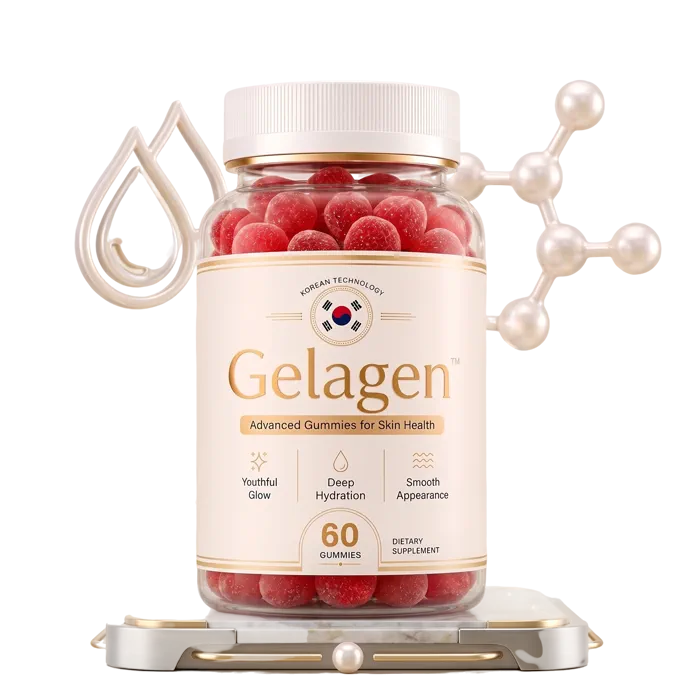
- Biotin plus the full B-vitamin stack: Biotin for keratin, supported by B6, B12, Folate and Pantothenic Acid for cell renewal and energy in fast-growing tissues.
- Covers all three at once: hair strength, nail resilience and the skin’s outer barrier from a single daily habit, so you do not have to pick a side.
- Easy to stick with: a berry-flavored gummy, two a day with water, ideally before a meal. No scoops, no shakes, no fishy aftertaste.
- Made with care: produced in an FDA-registered facility in the US and sold as a one-time purchase on the official website.
- Low risk to try: a 60-day money-back guarantee, with bundles from $79 per bottle for two bottles down to $49 per bottle in the 6-bottle bundle, and free shipping on the larger bundles, enough to reach the 12-week mark without a gap.
Take Gelagen daily, eat enough protein, protect your skin from the sun, and add collagen later if firmness is still your goal. It is the most practical way we know to support hair, skin and nails from within without turning your routine into a chemistry set.
When to see a doctor: a beauty supplement supports normal hair, skin and nail health; it is not a treatment for medical conditions. See a doctor or dermatologist for sudden or patchy hair loss, nails that change color or lift from the nail bed, or skin changes that come with other new symptoms. Thyroid changes, low iron and some medications can affect hair and nails and are worth checking.
Frequently asked questions
Is biotin or collagen better for hair growth?
Biotin is the more direct match for hair. Hair is made of keratin, and biotin is one of the B-vitamins the body uses to produce it. Collagen is mainly studied for skin; the evidence for hair is much thinner. Either way, expect to wait two to three months as new hair grows in.
Is biotin or collagen better for nails?
Biotin. Nails are keratin, and a few small studies have linked daily biotin to firmer, less brittle nails over several months. Collagen has little research on nails specifically. Pair any supplement with gloves for wet work and gentle filing.
Is collagen better than biotin for skin?
Collagen peptides have more research behind them for skin hydration and elasticity, especially after 40. Biotin and the B-vitamins support the skin’s outer keratin layer and normal cell renewal. Many people use both, with the B-vitamin routine as the daily foundation.
Can I take biotin and collagen at the same time?
Yes. There is no known interaction between them, and they support different layers of the same goal. Check the labels so you know your totals, and ask your doctor or pharmacist if you take medication or are pregnant or breastfeeding.
How long do biotin and collagen take to work?
Both usually need 8 to 12 weeks of daily use before you see a visible difference, because hair and nails grow slowly and skin renews over roughly a month. Compare photos at week 8 and week 12 rather than judging day to day.
Does Gelagen contain collagen?
No. Gelagen is built around Biotin and a B-vitamin complex (B6, B12, Folate and Pantothenic Acid) to support the keratin your hair, skin and nails are made of. It can be combined with collagen from food or a separate supplement if you want both.
The bottom line
Biotin builds the keratin in your hair and nails; collagen supports the structure of your skin. They are teammates, not rivals. Make a Biotin and B-vitamin routine your daily base, add collagen if firmness is your priority, and give either one a full 8 to 12 weeks. Gelagen makes that base as easy as two berry gummies a day. For the quick version, see our Gelagen overview.