The short answer
Stress hair loss usually shows up as extra shedding two to three months after a stressful event, and in most people it settles on its own once the stress eases. To stop it, calm the trigger (sleep, a daily wind-down, regular meals with enough protein), handle your hair gently while it recovers, and keep steady B-vitamin support for the hair, skin and nails that grow back. The same stress that thins hair also tends to show up in your nails and skin, so one calm routine helps all three.

“How to stop stress hair loss” is one of the fastest-rising hair questions on Google this season, and the timing makes sense. November and December bring deadlines, travel, family visits and short nights. Many people notice more hair in the brush or the shower drain and start to worry, which, ironically, adds even more stress.
What most people do not realize is that stress rarely affects just one thing. The same busy months that bring extra shedding often bring peeling nails, bitten cuticles and dull, tired-looking skin too. This guide explains that link in plain language, shows what actually helps, and ends with the simple daily support we recommend for the regrowth phase.
Why stress shows up in your hair (months later)
Each hair on your head goes through a cycle: a long growing phase, a short transition and a resting phase, after which the old hair falls out and a new one starts. Normally only a small share of hairs is resting at any time. A big stressor (an illness with fever, surgery, childbirth, a major life event or a long stretch of intense pressure) can push many more hairs into the resting phase at once.
Dermatologists call this telogen effluvium. The key detail is the delay: according to the American Academy of Dermatology, excessive shedding often begins a couple of months after the stressful event, and once the stress is gone, hair usually regains its normal fullness within six to nine months. That is why so many people are confused: the shedding you see today is often a souvenir from a hard month back in the summer or early fall.
The good news is that this kind of shedding is the hair cycle reacting, not the follicles giving up. The follicles keep working, and new hairs are already growing in behind the ones that fall.
The unexpected connection: stress, nails and skin
Hair is the most visible signal, but your nails and skin are built from the same raw materials and run on the same daily routines. When stress takes over, several things tend to shift at once:
- Sleep gets shorter. Night is when the body does much of its routine repair. Weeks of short sleep often show up as tired, dull-looking skin before anything else.
- Meals get rushed. Skipped breakfasts and snack dinners mean less protein and fewer B-vitamin foods such as eggs, fish, seeds and whole grains. Keratin, the protein of hair and nails, depends on both.
- Hands get busy. Nail biting, picking at cuticles and peeling the nail edge are common stress habits, and they damage nails faster than any vitamin can rebuild them.
- Skin reacts. Many people notice that stressful weeks bring more breakouts or flares of existing skin conditions, and the AAD lists stress management among everyday skin-care tips.
Put together, it is the pattern we described in why skin, hair and nails fade together: three tissues, one shared supply line. When stress disrupts that supply line, all three show it. When you calm it down, all three can benefit.
How to stop stress hair loss: what actually helps
There is no switch that stops shedding overnight, because the hairs that are already resting will fall regardless. What you can do is stop adding new triggers and give the regrowth the best possible conditions. Here is what helps most, in order of impact.
1. Ease the trigger (even a little)
You cannot cancel the holidays or quit your job, but small, daily stress relief adds up. Pick one ten-minute habit and protect it: a walk after lunch, slow breathing before bed, a phone-free half hour in the evening, or a short stretch in the morning. Consistency matters more than the method.
2. Protect your sleep
Set a fixed lights-out time on most nights, keep screens out of the last half hour and keep the bedroom cool and dark. Better sleep helps the stress itself and gives your skin, hair and nails the overnight repair time they rely on.
3. Eat for keratin, not for perfection
Hair and nails are built from protein. Aim for a source of protein at every meal (eggs, fish, yogurt, beans, chicken) and keep easy B-vitamin foods within reach. Our list of foods that have biotin makes this simple even on busy days. Crash diets during stressful months are a common, avoidable second trigger for shedding.
4. Be gentle with the hair you have
Skip tight ponytails and buns, let hair air-dry when you can, use a wide-tooth comb on wet hair and lower the heat on tools. None of this changes the shedding cycle, but it prevents breakage from making thinning look worse than it is. Not sure which one you are seeing? Our guide to hair breakage vs. shedding shows the 2-minute test.
5. Give your hands something else to do
If stress sends your fingers to your nails, keep them short and smooth so there is nothing to pick, apply hand cream at your desk, and keep a stress ball or a fidget object nearby. Gloves for dishes and cleaning protect nails that are already fragile.
6. Keep steady B-vitamin support
Regrowth takes months, and stressful months are exactly when meals become irregular. A daily hair, skin and nails supplement such as Gelagen, with Biotin and a B-vitamin complex, keeps that support steady while the new hair grows in. It is not a stress treatment; it simply makes sure the building blocks are there every day.
Quick guide: stress signs and what to do
| What you notice | Likely stress link | What helps |
|---|---|---|
| More hair in the brush or drain, spread over the whole scalp | Shedding 2–3 months after a stressful period | Ease the trigger, protein at meals, gentle styling, patience |
| Bitten nails, torn cuticles, peeling edges | Stress habits plus dryness | Short nails, hand cream, gloves, a fidget object |
| Dull, tired-looking skin | Short sleep, rushed meals, less water | Fixed bedtime, water at each meal, gentle skin care |
| Breakouts in busy weeks | Stress and disrupted routines | Simple, consistent routine; see a dermatologist if it persists |
| All of the above at once | One shared supply line under pressure | One calm daily routine plus steady B-vitamin support |
How long until it stops?
Set your expectations by the hair cycle, not by the calendar on the wall. Shedding from a single stressful event commonly eases within a few months, and the new hairs then need time to reach a visible length. Hair grows roughly half an inch a month, so the fuller look returns gradually over the following months. Nails are slow too: a fingernail takes several months to grow out completely. Our realistic timeline for hair, skin and nails explains what to expect week by week.
The most useful thing you can do during this wait is keep a dated photo of your part and hairline every two weeks. It turns worry into data and helps you see regrowth that the mirror hides.
When to see a doctor
Stress is a common cause of shedding, but it is not the only one. Book an appointment if you notice:
- Shedding that continues for more than about six months, or keeps getting worse.
- Round bald patches, a widening part or a receding hairline rather than all-over shedding.
- Scalp pain, itching, redness or scaling.
- Hair loss together with tiredness, weight changes or feeling cold, which can point to thyroid or iron issues worth checking (our 80/20 guide to vitamins for hair loss explains which blood tests to ask about).
- Nails that lift from the nail bed, thicken or change color.
And if you take biotin, tell your doctor before any blood test, because high biotin can affect some lab results. We explain why in does biotin affect blood tests?
Our recommendation: Gelagen
When stress has shaken up your routine, Gelagen is the hair, skin and nails gummy we recommend for the regrowth months. It was made exactly for this kind of everyday support: Biotin, the B-vitamin most closely linked to keratin, together with Pantothenic Acid (B5), B6, B12 and Folate, the cofactors your body uses for normal cell renewal in hair follicles, nail beds and skin. On the weeks when meals are rushed and sleep is short, it keeps the support steady with one easy step.
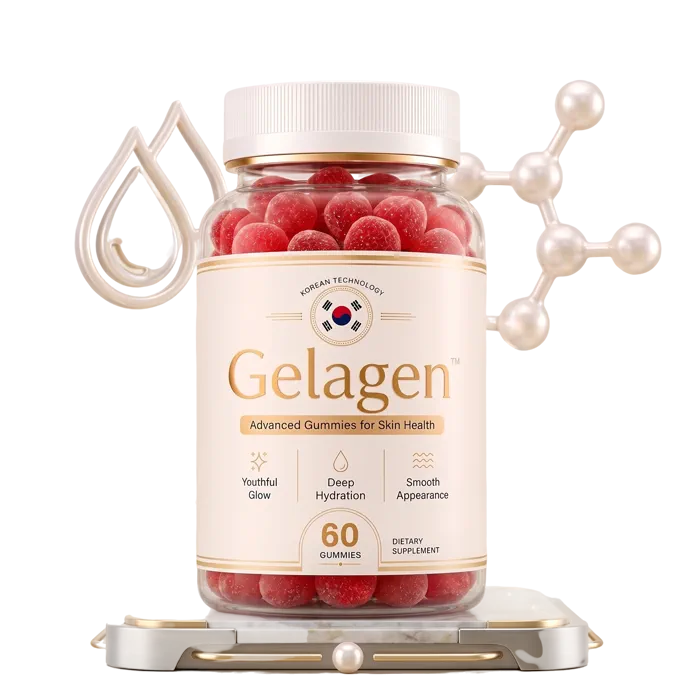
- The full B-vitamin beauty stack in one serving: Biotin (B7) plus B5, B6, B12 and Folate, so you do not have to combine several products.
- One less thing to think about: two berry-flavored gummies a day, no pills to swallow, easy to pair with breakfast even on hectic mornings.
- Enough time for regrowth: $79 per bottle for two bottles ($158), $69 per bottle for three ($207, free shipping) or $49 per bottle for six ($294, free shipping), so you can cover the months new hair needs.
- Low-risk to try: made in an FDA-registered US facility, a one-time purchase with no subscription, and a 60-day money-back guarantee.
Calm the trigger, protect your sleep, eat for keratin, and let one good daily gummy keep your hair, skin and nails supplied while they recover.
Frequently asked questions
How do I stop stress hair loss?
Ease the trigger with small daily stress relief, protect your sleep, eat protein and B-vitamin foods at regular meals, and handle your hair gently. Hairs already in the resting phase will still fall, but stress shedding usually settles on its own once the stress eases, and new hair grows back over the following months.
How long does stress hair loss last?
Shedding often starts two to three months after a stressful event. According to the American Academy of Dermatology, once the stress is gone, hair usually regains its normal fullness within six to nine months. If shedding lasts longer than about six months, see a doctor.
Will hair lost to stress grow back?
In typical stress shedding (telogen effluvium), yes. The follicles keep working and new hairs are already growing behind the ones that fall. Patchy bald spots, scalp pain or a receding hairline are different patterns and should be checked by a dermatologist.
Can stress affect your nails and skin too?
Often, yes. Stressful periods tend to bring shorter sleep, rushed meals and habits such as nail biting or cuticle picking, and many people notice dull skin or breakouts at the same time. Hair, skin and nails share the same building blocks, so a calm daily routine helps all three.
Does biotin help with stress hair loss?
Biotin does not stop stress shedding, which depends on the hair cycle. It supports normal keratin production, so steady daily intake helps make sure the building blocks are there while new hair grows back. Take one product at its label serving and mention it to your doctor before any blood test.
Can I take Gelagen during a stressful period?
Yes. Gelagen is two berry-flavored gummies a day with Biotin, B5, B6, B12 and Folate, easy to keep up when your schedule is busy. If you are pregnant, breastfeeding or take medication, check with your doctor first. Orders on the official website are one-time purchases with a 60-day money-back guarantee.
The bottom line
Stress hair loss is real, common and, in most cases, temporary. It arrives months after the stress, often alongside tired skin and fragile nails, because all three run on the same daily routines. Calm the trigger, sleep, eat for keratin, be gentle with your hair and keep steady B-vitamin support, and give the regrowth the months it needs.