The short answer
Vitamin B5, or pantothenic acid, is an essential B-vitamin your body turns into coenzyme A, a helper molecule involved in using fats, carbohydrates and protein for energy and in building the fatty substances that keep skin comfortable. It is found in almost every food, which is where its name comes from (Greek pantos, “everywhere”), and its skin-friendly form, panthenol, is a classic moisturizing ingredient in creams and hair care. In a beauty gummy it plays a supporting role next to Biotin, which is exactly how it is used in Gelagen.

Biotin gets almost all the attention on hair, skin and nails labels. But turn the bottle around and you will usually find a short list of other B-vitamins, and one of them, pantothenic acid, has a surprisingly long history in beauty products. You have probably used it already without knowing: “panthenol” and “pro-vitamin B5” appear on countless shampoos, conditioners and moisturizers.
This guide takes a close look at that one ingredient: what it is, where it comes from, what trustworthy sources such as the US National Institutes of Health say about it, what it does and does not do for hair, skin and nails, and why it earns its place in a daily beauty gummy. If you want the bigger picture of the whole B-vitamin team, start with our guide to Biotin and the B-vitamin beauty stack.
What is vitamin B5 (pantothenic acid)?
Pantothenic acid is one of the eight B-vitamins. Like the others, it is water-soluble, so the body does not store large amounts and relies on a steady daily supply from food. According to the NIH Office of Dietary Supplements (ODS), its main job is to help make coenzyme A (CoA) and a related protein called acyl carrier protein. Those two molecules are involved in a huge number of reactions, including:
- Turning food into energy from fats, carbohydrates and protein.
- Building and breaking down fatty acids, the raw material of the lipids that help keep the skin’s outer barrier soft and comfortable.
- Making other important compounds, such as cholesterol, certain hormones and some neurotransmitters.
In Europe, the European Food Safety Authority (EFSA) accepts that pantothenic acid contributes to normal energy-yielding metabolism, to the reduction of tiredness and fatigue, to normal mental performance and to the normal synthesis of some hormones and vitamin D. In other words, B5 is a quiet, foundational nutrient: it does not act on one body part, it keeps a lot of everyday processes running.
Where does the name come from?
Pantothenic acid was identified in the early 1930s by the American biochemist Roger J. Williams while studying what yeast needed to grow. Because the new substance turned up in practically every food and living tissue he tested, he named it after the Greek word pantothen, meaning “from everywhere.” It is a fitting name: true B5 deficiency is very rare in people who eat a reasonably varied diet.
Food sources of vitamin B5
The ODS lists a wide range of foods that provide pantothenic acid. Here are some of the easiest to fit into a normal week:
| Food group | Good everyday examples | Easy way to use it |
|---|---|---|
| Animal proteins | Beef, chicken, fish, eggs, milk and yogurt | An egg at breakfast or yogurt as a snack |
| Mushrooms | Shiitake and other mushrooms | Sautéed with eggs or in a stir-fry |
| Vegetables | Avocado, potatoes, broccoli | Avocado on toast, roasted potatoes |
| Seeds and legumes | Sunflower seeds, chickpeas | Seeds on salads, hummus with vegetables |
| Whole grains | Oats, brown rice, whole-wheat bread | Oatmeal or whole-grain toast in the morning |
The ODS notes that the recommended Adequate Intake for adults is about 5 mg a day (a little more during pregnancy and breastfeeding). Food processing, such as heavy refining of grains, can reduce the amount of B5 in a food, which is one reason a mostly processed, rushed diet tends to be lighter in the whole B-complex.
Vitamin B5 and skin: the panthenol connection
The strongest beauty link for B5 comes from its skin-care form. Panthenol (also called dexpanthenol or pro-vitamin B5) is converted to pantothenic acid in the skin and has been used for decades in moisturizers, after-sun lotions, lip balms and baby creams. Dermatology references describe it as a humectant and skin conditioner: it helps the skin hold on to water and supports a smooth, comfortable surface. That is why so many gentle skin products include it.
Inside the body, B5 supports the same goal from a different direction. Through coenzyme A, it takes part in making the fatty acids and lipids your skin barrier is built with. That is the logic behind including it in a beauty-from-within formula: not as a dramatic “skin transformer,” but as a nutrient that helps the everyday machinery of skin renewal run as it should.
Vitamin B5 and hair
B5 also has a long history in hair care. Panthenol is a common ingredient in shampoos and conditioners because it coats and conditions the hair shaft, helping hair feel softer, look shinier and become easier to comb. That is a surface, cosmetic effect, and a pleasant one.
You may also have read that B5 “prevents gray hair.” That idea goes back to early laboratory experiments in which animals fed a diet with no pantothenic acid at all developed graying fur. It is an interesting piece of nutrition history, but it has not been shown to apply to normal graying in people. We prefer to describe B5 honestly: a helpful member of the hair-support team, working alongside Biotin, which is the B-vitamin most directly tied to keratin, the protein hair and nails are made of.
Vitamin B5 and nails
There is little research on B5 and nails specifically. Nails are keratin, so the star nutrient here is Biotin, and the clearest gains come from good nail habits: gloves for wet work, gentle filing and moisturizing the cuticles (a hand cream with panthenol is a nice touch). B5’s role is supporting the general cell metabolism behind steady, normal growth. If peeling is your main concern, our guide on why nails peel and split walks through the routine that helps most.
Why B5 is in a hair, skin and nails gummy
A good beauty formula is a team, not a single hero. In Gelagen, Biotin (vitamin B7) is the keratin specialist, and pantothenic acid works next to B6, B12 and Folate to support the normal energy and cell-renewal processes that hair follicles, nail beds and skin rely on every day. Each member covers a different job:
- Biotin (B7): the B-vitamin most directly linked to keratin production.
- Pantothenic acid (B5): coenzyme A, energy metabolism and the fatty acids behind a comfortable skin barrier.
- B6, B12 and Folate: protein metabolism and normal cell division, the background work of renewal.
Putting them in one daily gummy turns several small nutrition habits into one easy routine, which matters because hair and nails grow slowly and respond to consistency over 8 to 12 weeks, as we explain in our realistic timeline guide.
Is vitamin B5 safe?
Pantothenic acid is one of the gentlest vitamins. The ODS reports no established upper limit because no harmful effects have been linked to the amounts found in food and typical supplements; only very large doses, many times what any beauty product contains, have been associated with mild digestive upset such as diarrhea. As always:
- Take one beauty product at the label dose and check other supplements so you know your totals.
- Ask your doctor or pharmacist first if you are pregnant, breastfeeding or take regular medication.
- If your formula also contains Biotin, mention it before any blood test, as we explain in does biotin affect blood tests?
- See a doctor for sudden or patchy hair loss, a new rash or unusual nail changes: a supplement is everyday support, not a medical treatment.
Our recommendation: Gelagen
If you like the idea of B5 working as part of a complete team rather than on its own, Gelagen is the hair, skin and nails gummy we recommend. It was built around exactly that combination: Biotin for keratin, with Pantothenic Acid, B6, B12 and Folate supporting the everyday renewal of hair, skin and nails. It is the most practical way we know to cover the whole B-vitamin beauty stack in one simple daily habit.
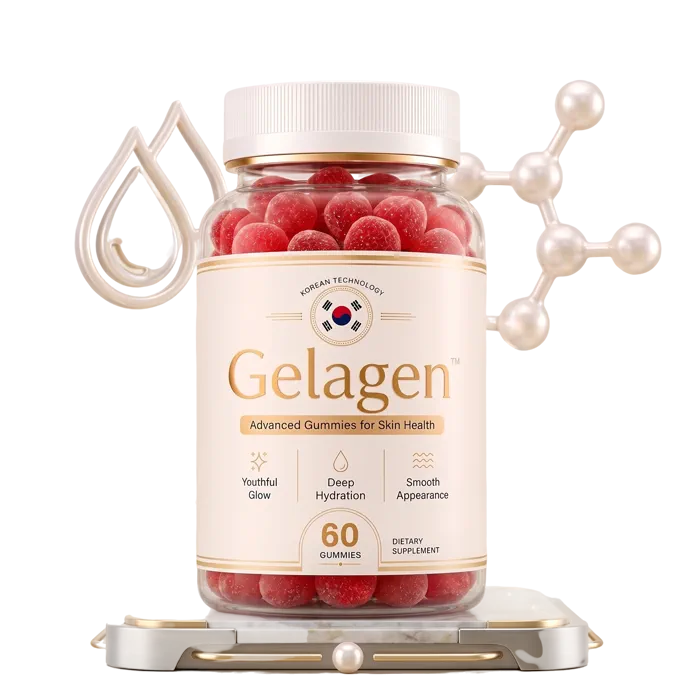
- A focused beauty formula: Biotin (vitamin B7) plus Pantothenic Acid (B5), B6, B12 and Folate, the cofactors your body uses for keratin and normal cell renewal.
- Easy every day: two berry-flavored gummies, no pills to swallow and nothing to mix.
- Enough for a fair 12-week routine: $79 per bottle for two bottles ($158), $69 per bottle for three ($207, free shipping) or $49 per bottle for six ($294, free shipping), with free bonus beauty guides on 3+ bottles.
- Low-risk to try: made in an FDA-registered US facility, every order a one-time purchase with no subscription, and a 60-day money-back guarantee.
Eat your B5-rich foods, keep your nail and skin habits gentle, and let a steady daily gummy cover the rest of the stack.
Frequently asked questions
What does vitamin B5 do for your skin?
Inside the body, pantothenic acid helps make coenzyme A, which is involved in producing the fatty acids and lipids of the skin barrier. On the skin, its pro-vitamin form panthenol works as a humectant that helps the skin hold water and feel smooth. That is why B5 appears both in moisturizers and in beauty supplements.
Is pantothenic acid the same as panthenol?
They are closely related. Panthenol (dexpanthenol, or pro-vitamin B5) is the form used in creams, shampoos and conditioners; the skin converts it into pantothenic acid. Supplements usually contain pantothenic acid as calcium pantothenate.
Does vitamin B5 help hair growth?
Vitamin B5 supports the general cell metabolism behind normal hair growth, but it is not a stand-alone hair-growth treatment. Topical panthenol conditions the hair shaft so hair looks shinier and feels softer. For keratin, Biotin is the more direct match, which is why the two are often combined.
Can vitamin B5 reverse gray hair?
No. Early animal experiments linked a complete lack of pantothenic acid to graying fur, but that has not been shown for normal graying in people, which is mostly genetic and age-related.
How much vitamin B5 do adults need?
The NIH Office of Dietary Supplements lists an Adequate Intake of about 5 mg a day for adults, slightly more during pregnancy and breastfeeding. Most people get much of it from food; a supplement simply adds steady daily support.
Does Gelagen contain vitamin B5?
Yes. Gelagen combines Biotin with Pantothenic Acid (B5), B6, B12 and Folate in two berry-flavored gummies a day. Every order on the official website is a one-time purchase with a 60-day money-back guarantee.
The bottom line
Vitamin B5 is the quiet worker of the B-vitamin family: found in almost every food, essential for coenzyme A and energy metabolism, and famous in skin and hair care as panthenol. It will not do Biotin’s job, and it does not need to. Together in one daily gummy like Gelagen, they make a simple, steady routine for hair, skin and nails.